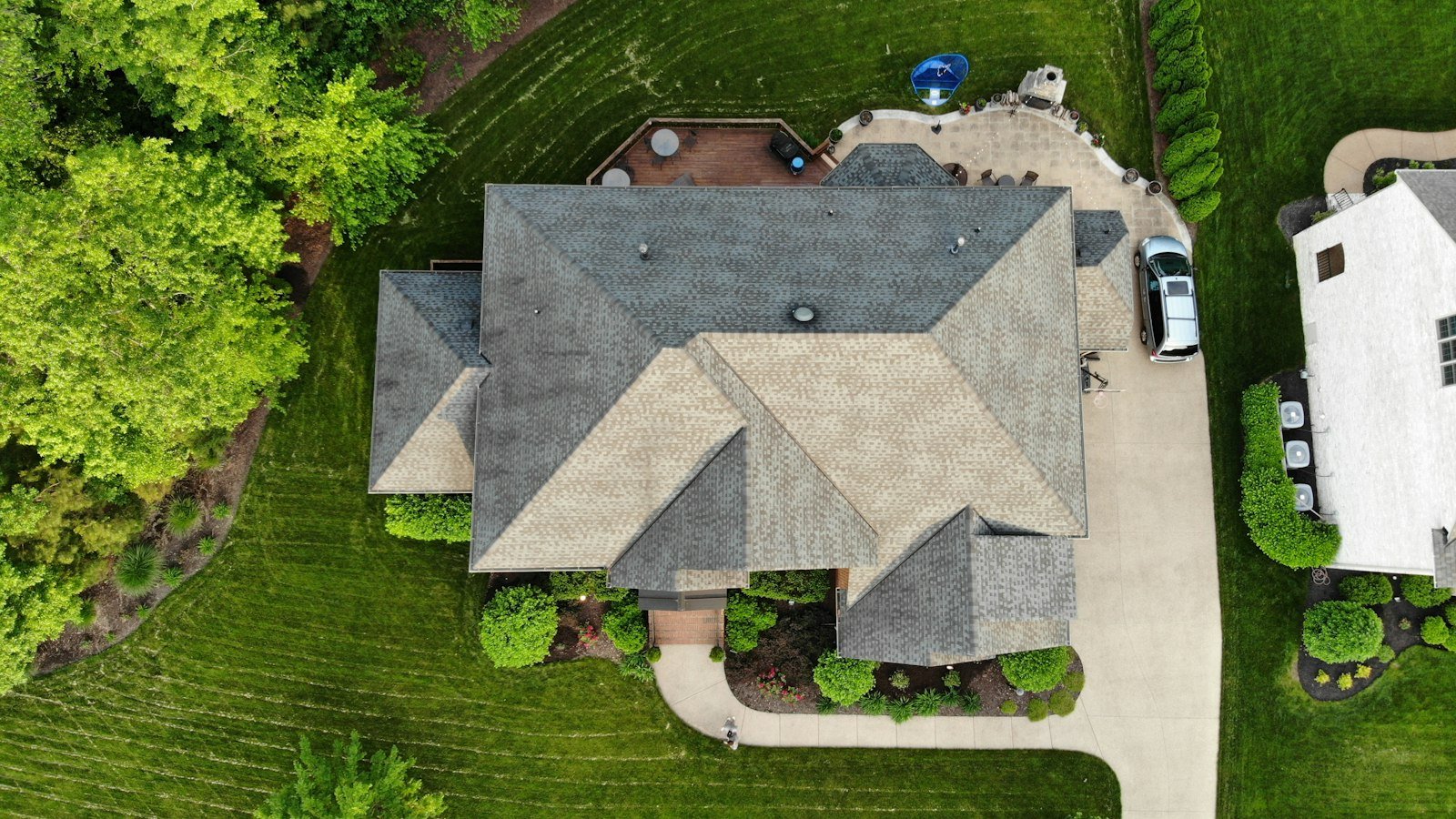
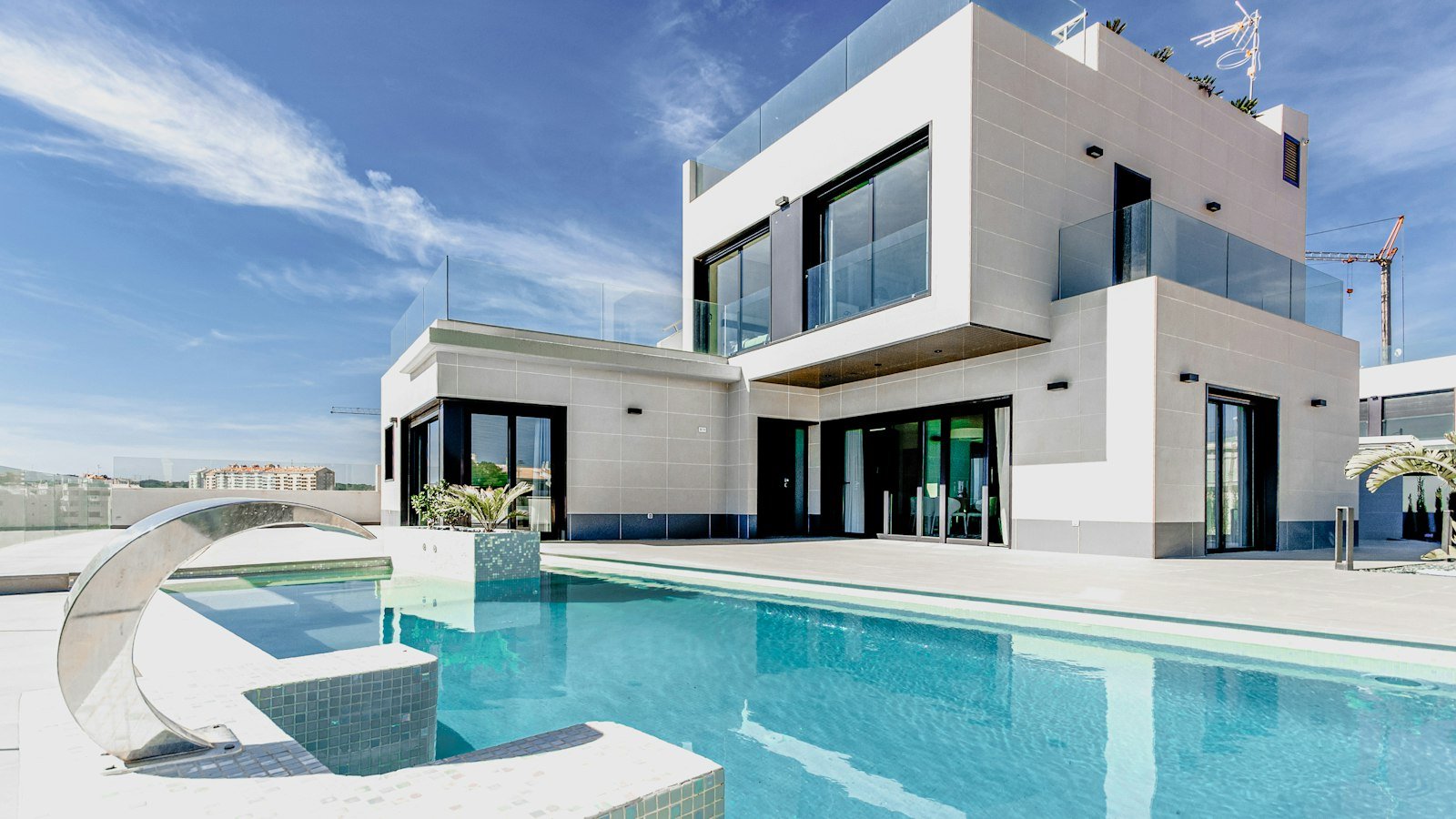
Construction progress photography works best as a repeatable record: the same useful viewpoints, photographed at agreed intervals, alongside the details that changed since the last visit. For a developer in Cyprus, that can produce clearer buyer updates, a useful project archive and material for the website and sales team.
The starting point is a ground-level capture plan. Aerial work can add context where it is permitted and suitable, but a dependable monthly update should still work when a flight cannot take place. This guide explains what to put in the brief, rather than repeating our broader guide to real estate drone photography and video.
Decide who the update is for
A buyer waiting for their apartment wants to understand what has changed. A sales team needs current photographs that can support conversations with prospective buyers. An internal project archive may need a wider selection of dated images, including details that have little marketing value.
Define those audiences before choosing the deliverables. You can photograph a project once and prepare different selections for each audience, provided the required views and permissions have been planned. Marketing photographs support communication; they do not replace technical inspections, measurements or professional certification of the works.
Build a repeatable shot list
Choose a small set of reference views that can be photographed again safely. Record the approximate camera position, direction and framing. Where access changes as construction progresses, agree an alternative viewpoint and note the change in the archive.
| Capture | What it helps explain |
|---|---|
| A wide overview of the site | The current stage and relationship between the different buildings. |
| A consistent view of each elevation | Visible changes to the building envelope, balconies and external finishes. |
| Selected interiors | The progression of rooms, services and finishes in areas approved for access. |
| Close details | Materials, workmanship and installed features that can be explained accurately. |
| Access and shared spaces | Entrances, landscaping and communal facilities as they become relevant. |
Avoid using only close-ups. A detail is easier to understand when the update also shows where it belongs in the project.
Change the emphasis as the development advances
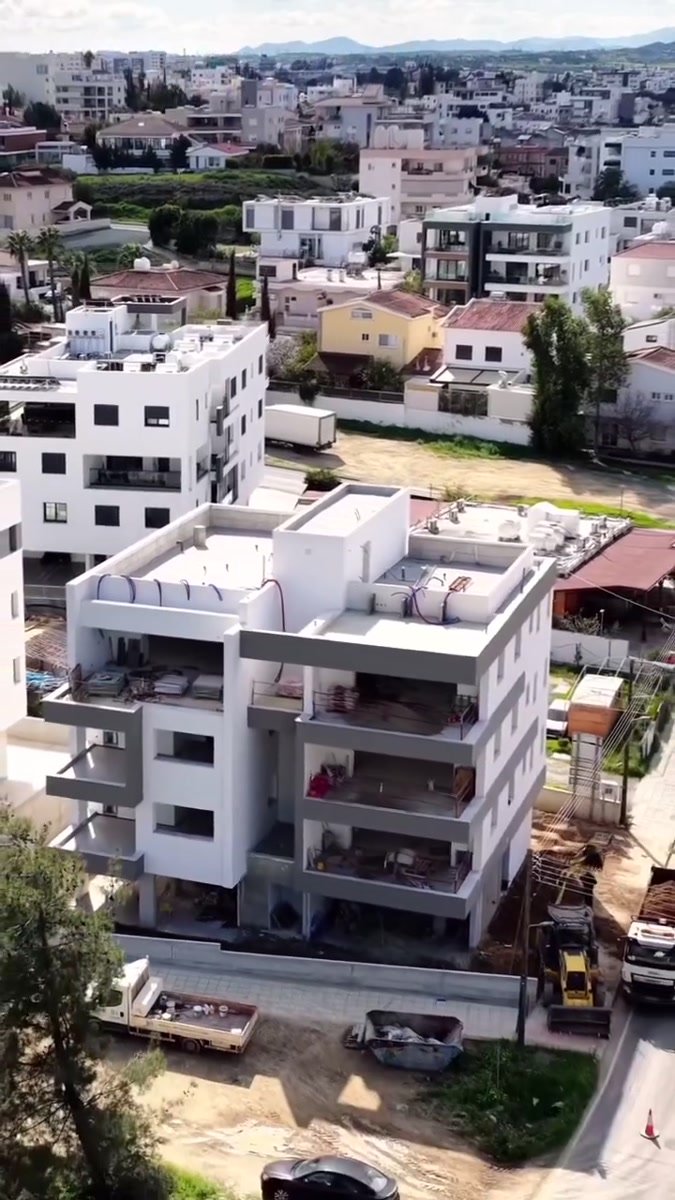
During early works, the useful story may be the site layout and the visible extent of the activity. As the building takes shape, the emphasis moves towards elevations, openings and the relationship between blocks. Later visits can show the fit-out, external finishes and shared areas.
Use factual captions approved by the project team. Describe what the photograph shows and when it was taken. Avoid announcing completion dates, percentages or construction milestones that have not been confirmed by the responsible team.
Agree a useful monthly delivery
The following is an example brief to discuss, rather than a fixed package: a dated set of edited reference photographs, a smaller selection suitable for the project website, portrait crops for social posts, and a short progress edit where filming is included.
Specify file sizes, aspect ratios and how the files will be organised. A sales team may need high-resolution originals as well as lighter files that are easy to send. Agree whether captions, graphics, editing revisions and publishing are included in the production scope.
Keep an organised archive by project and visit date. Name the recurring viewpoints consistently so that someone can compare two stages without searching through an unlabelled folder.
Book visits around activity and access
A monthly visit can be a useful starting rhythm, but some developments benefit more from milestone-led coverage. Discuss the construction programme with the site contact and identify changes that will be worth showing before setting the next date.
Confirm the meeting point, safe access, required protective equipment and areas that may be photographed. Plan around site operations. Where people, neighbouring properties or sensitive project information appear, agree what may be included in public material.
Any aerial element needs a separate check of current Civil Aviation notices, geographical restrictions, permissions and operating conditions. Use the Cyprus Department of Civil Aviation’s current announcements and operator guidance. A familiar site or a previous flight does not establish permission for a new visit.
Put the photographs to work
Select a few clear images for the project’s website update, prepare a concise buyer communication and give the sales team the approved selection. A longer project timeline can be assembled from the archive as construction advances.
Keep the context consistent across channels. State the capture date, distinguish construction photographs from renders and make it clear which development is shown. Our property content marketing guide explains how production assets can support the wider enquiry journey.
What affects the cost?
The scope depends on the location, number of buildings, access arrangements, time on site, visit frequency and final outputs. Photography, filming, editing and any permitted aerial work should be itemised clearly. Recurring visits also need an agreed process for rescheduling and approvals.
CREATE plans photography and content production across Cyprus around the development and its communication needs. To request a quote, send the site location, current stage, preferred frequency and the channels where the material will be used.
Plan your next progress update
A useful update helps someone understand the project without needing a site visit. Start with consistent views, accurate captions and a delivery format the team can actually use. Ask CREATE for a construction content quotation built around your development.